


Effective financial reporting for small business is the backbone of modern entrepreneurship. Running a business without accurate financial reports is like flying a plane in a storm without a radar. You might be moving fast, but do you know where you’re headed—or how much fuel you have left?
Proper financial reporting for small business provides the transparency needed to attract investors and secure long-term capital for your company growth.
For many small and medium-sized business owners in the United States, Europe, and beyond, bookkeeping often feels like a year-end chore for tax purposes. However, the true power of financial reporting lies in strategic decision-making.
The 3 Pillars of Informed Decision-Making
- Real-Time Cash Flow Management
You can have a profitable month on paper and still go out of business if your cash is tied up in accounts receivable. A Statement of Cash Flows tells you exactly when you can afford to reinvest, hire, or scale. Without this, you’re just guessing. - Identifying Growth Opportunities (and Leakages)
Your Profit and Loss (P&L) statement is more than just numbers; it’s a story. It highlights which services are your “cash cows” and which expenses are silently eating your margins. AI-powered tools today can help us spot these trends faster than ever. - Investor and Lender Readiness
Whether you are looking for a bank loan or a venture capital partner, the first thing they will ask for is your financial history. Clean, professional reports signal integrity, transparency, and competence.
Pro Tip for Efficiency: The Professional Hardware Stack
To generate these reports accurately, you need the right hardware that can handle multitasking between cloud software and data analysis. I have tested various setups, and here is what I personally recommend for peak productivity:
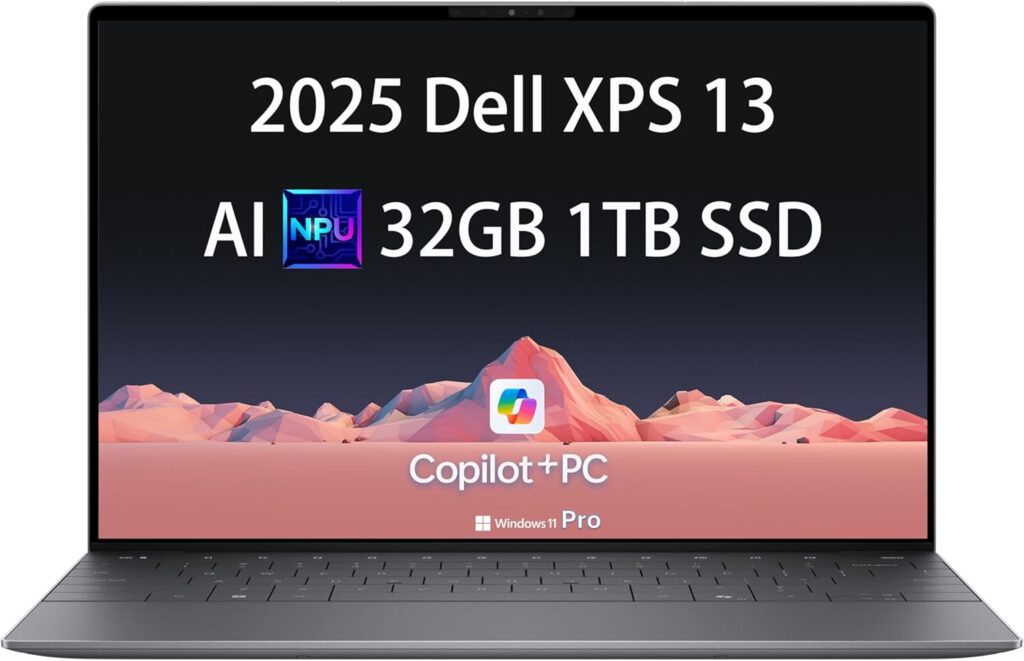
High-Performance Laptops: [MacBook Pro] or [Dell XPS] (These provide the speed needed for real-time data processing).
Visual Workspace: A [Dual Monitor Setup] is essential to view your QuickBooks dashboard and bank statements side-by-side without constant toggling.
MacBook Pro

Dell XPS
Dual Monitor Setup

Moving Beyond “Just Data” to “Intelligence”
As a Senior Accountant and AI Specialist, I don’t just “crunch numbers.” I transform them into actionable intelligence. By integrating AI tools with cloud software like QuickBooks Online, we can automate repetitive tasks, reduce human error, and give you a 360-degree view of your financial health.
Common Mistakes to Avoid in Financial Reporting
Many business owners unknowingly sabotage their growth by ignoring key financial indicators. The most common mistake in financial reporting for small business is failing to reconcile bank accounts monthly. When you don’t reconcile, you lose track of actual cash positions, leading to poor spending decisions.
Another frequent error is mixing personal and business expenses. This creates a messy “paper trail” that makes tax season a nightmare and obscures your true profit margins. By automating your financial reporting for small business, you eliminate these manual entry errors and ensure that your P&L statement reflects reality, not guesswork. Consistency is the secret ingredient to long-term financial health.
Final Thoughts on Financial Clarity
In conclusion, financial data is the language of business growth. By moving beyond manual spreadsheets and embracing professional hardware and AI automation, you gain a competitive edge. Don’t let complex accounting stall your progress. Whether you are in the US or Europe, clear financial reporting for small business is not just for compliance—it is your most valuable asset for scaling successfully and securing your future.
How I Can Help You Today
Managing financial reports shouldn’t take you away from growing your business. I offer specialized services to help you set up, reconcile, and analyze your accounts with precision.
Need a professional QuickBooks Setup?
Want to automate your bank reconciliation?
Looking for deep financial insights to scale?